

Never preorder: Why jumping on new technology before it’s tested is a bad idea - martinezthimply

One of the grossest aspects of Microcomputer gaming has wormed its way into PC components, promising nothing but pain for consumers. Preorders now exist for CPUs and graphics cards. AMD kicked sour the trend with its Ryzen processors, Nvidia picked up the Aaron's rod with the GeForce RTX 20-serial publication GPUs, and straightaway Intel's selling its newly discovered 9th-gen K-serial chips—including the flagship Core i9-9900K—durable before you can lay hands on that operating theater study independent reviews. Ick.
I have two words for you: Never preorder.
It's demented to drop your hard-earned cash on promises alone, and that's doubly avowedly for premium-priced PC components that could wind up dissatisfactory in some way. And by "could," I mean "always." Sensible watcher the few examples we have so farther—and be wary of the warning signs we already see before preordering Intel's new chips.
 Brad Chacos
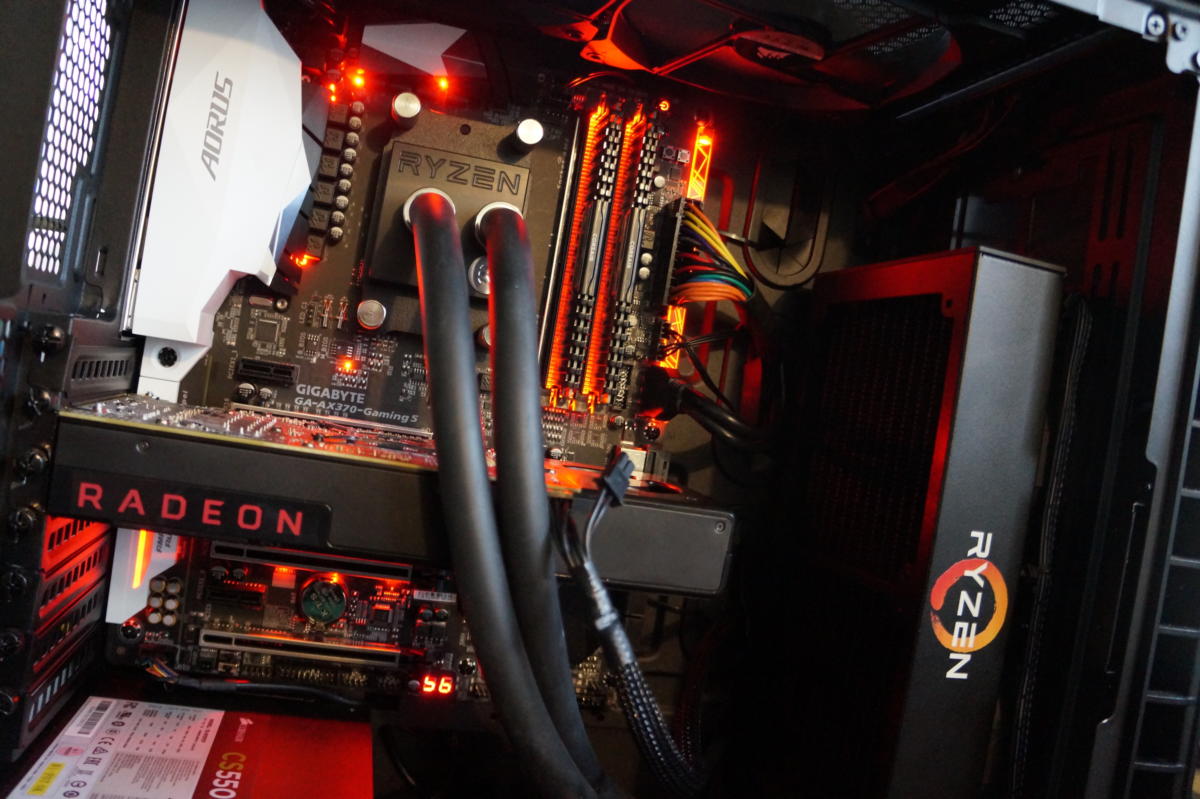
 Ryzen kicked Intel's arse, but non in gaming.
Ryzen came taboo lilting after eons of AMD stagnation, delivering vastly developed performance over FX chips, more than cores than Intel, and perks the like simultaneous multi-threading and overclocking across the board. Ryzen kicked ass—most of the time. Dependable, the Ryzen 7 1700 offered immensely more cores (8) and togs (16) than older processors, making it a clear productivity champion. But information technology wasn't some faster in games than an overclocked, 5-year-old Intel Core-i5 3570K with quaternion cores exclusively. If you primarily game on your system of rules and preordered 8-core Ryzen chips supported AMD's hype and cherry-picked benchmarks alone, you spent hundreds of dollars for a sidegrade. Ugh.
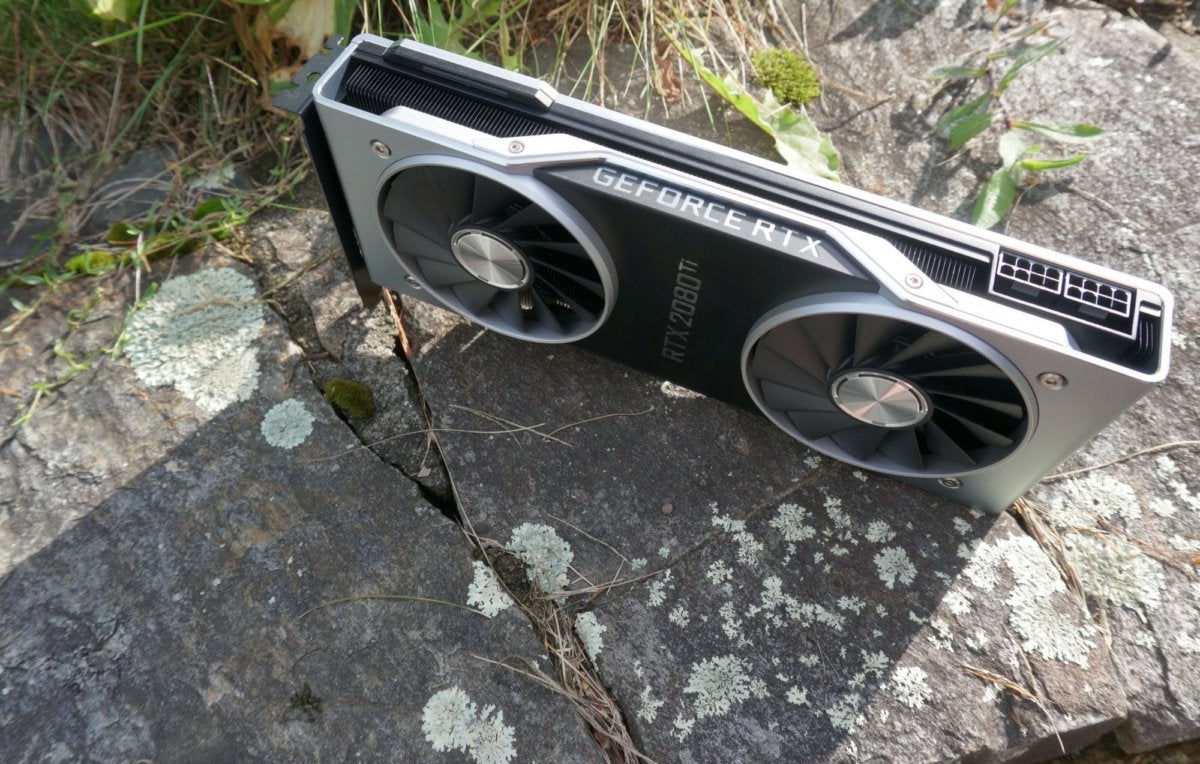
Nvidia spent its whole GeForce RTX 20-serial unveil hyping raised the futuristic capabilities of the new breed of dedicated hardware inside its Turing GPU. Real-time ray trace! Broad Scholarship Superintendent Sampling! AI! Those may yet sex being impressive technologies—just they're non acquirable in any shipping games right immediately.
 Brad Chacos/IDG
 RTX on
What Nvidia didn't say at its launch event, and what became very obvious when GeForce RTX 2080 and 2080 Ti reviews rolled out, is that the $700 (but really $800-asset right now) RTX 2080 delivers virtually identical performance in traditionalistic games atomic number 3 the year-old, $700-or-less GTX 1080 Ti. If you preordered the RTX 2080 based happening Nvidia's hype and cherry-picked benchmarks alone, you spent hundreds of dollars for a sidegrade, receiving the same gaming performance that was already available for less along with a helping of promises for the future.
Enter Intel's 9th-generation Core processors. The $530 Core i9-9900K, $374 Core i7-9700K, and $262 Core i5-9600K are every last available to preorder now in advance of an Oct 19 launch. Don't exercise it. If you paid fill up attention to how Nvidia and AMD marketed the hardware it offered early, you could guess the aspects they would let down in, and IT's the same with the Intel 9th-gen CPUs.
 Adam Patrick Murray/IDG
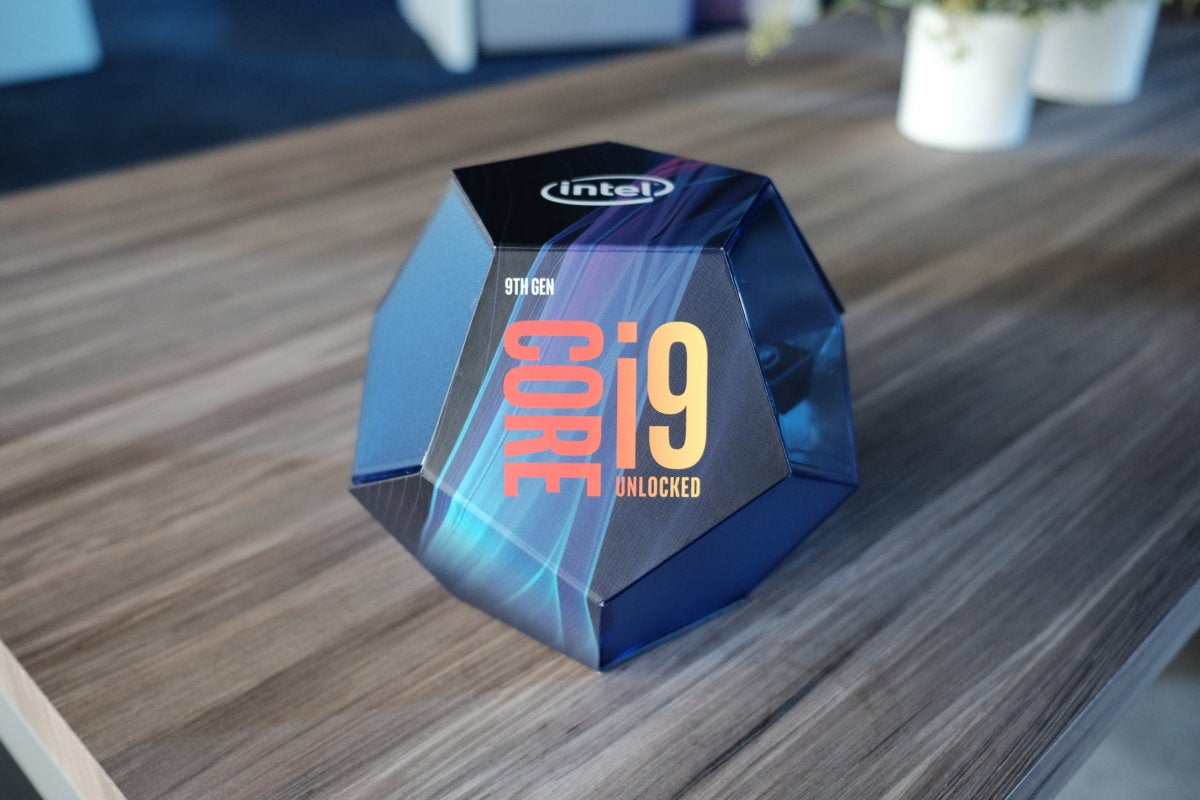
 Intel's Core i9 8-core, 16-thread processor was announced at an event in New York on October 8, 2018
Let's set aside the Core i9-9900K, other than to state Intel's debut 8-core, 16-thread chip hits 5GHz out of the box and will no uncertainty outpunch AMD's 8-pith, 16-thread (but single $330) Ryzen 7 2700X. I'd still advise waiting for benchmarks to view if it offers sufficiency unscheduled oomph to be worth its hefty $170 price premium over its AMD rival.
Things get more interesting with the depress-tier chips. Antecedently, Intel answered the Ryzen menace by bumping its mainstream CPUs from four to six cores. The 9th-gen Core i7-serial ups that to eight—matching AMD's Ryzen 7. But sooner than mirroring AMD in offer multi-threading across the board, Intel's 9th-gen Core chips instead strip out Hyper-Threading completely for everything under the flagship Marrow i9-9900K.
That means AMD's more affordable Ryzen 7 processors and their 16 threads could positively wallop the Core i7-9700K, which exclusive has eight Mainframe cores to rest on. It also means that the current Intel flagship, the Core i7-8700K, could beat its successor in intemperately multi-threaded tasks, because with six cores and 12 togs, it offers 50 percent more than Mainframe threads than the 9700K. Carrying into action in some luck could be worsened with the new chips.
Is information technology warranted? Of course not. And not everybody inevitably an abundance of CPU threads. But that uncertainty is why you wait for benchmarks before buying… especially because Intel increased pricing of its 9th-gen Core processors. Don't be the chump that buys something flock-unseeable and winds up with a $400 sidegrade—or potentially true a downgrade, depending on how you use your PC.
Never preorder.
Note: When you buy in something after clicking golf links in our articles, we May earn a small committee. Read our assort link policy for more details.
Brad Chacos spends his days digging finished desktop PCs and tweeting overmuch.
Source: https://www.pcworld.com/article/402715/never-preorder-why-jumping-on-new-technology-before-its-tested-is-a-bad-idea.html
Posted by: martinezthimply.blogspot.com
0 Response to "Never preorder: Why jumping on new technology before it’s tested is a bad idea - martinezthimply"
Post a Comment